
 English
 中文简体
中文简体 Español
In many sourcing conversations, custom plastic sports bottles are not introduced as a finished product decision. They appear later, after the team has already discussed how people will actually receive and use them in real situations.
A gym manager may be talking about new membership kits. An event planner may be checking what can be distributed quickly at a sports day. A school administrator may be thinking about group identification during outdoor activities. In these discussions, custom plastic sports bottles are mentioned as a practical option rather than a product category being evaluated from scratch.
The Conversation Usually Starts Somewhere Else
It is common that no one begins by saying they need a bottle.
Instead, the discussion starts with a situation.
For example, a fitness center may notice that members often bring different containers, and there is no consistent visual identity inside the facility. An event organizer may realize that participants leave with nothing that reminds them of the activity. A school may want students to carry something uniform during sports programs.
Only after these situations are described does the idea of custom plastic sports bottles come into the picture.
At that point, the product is not the focus. The problem is.
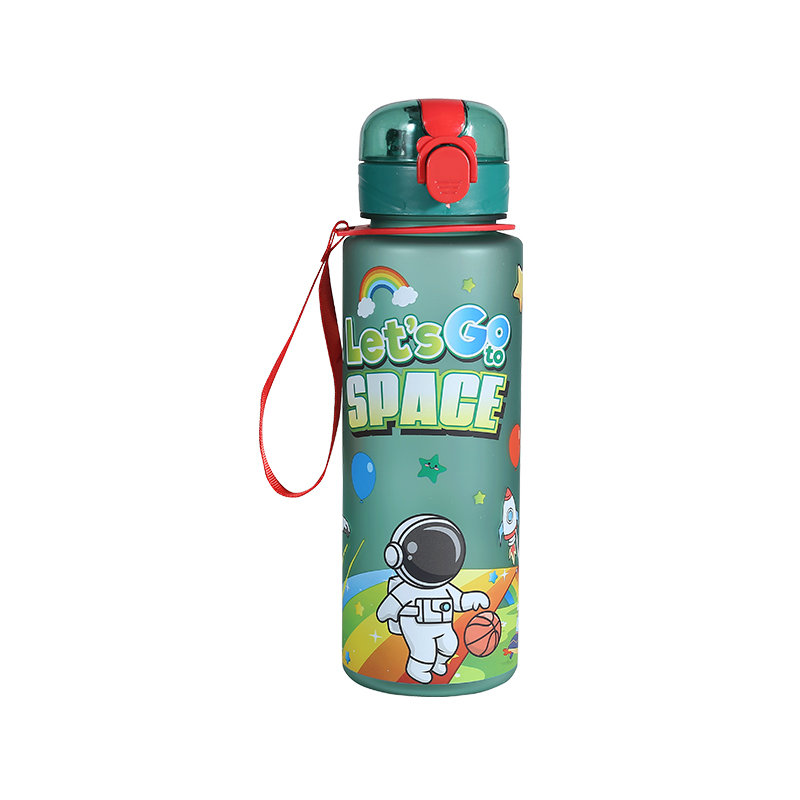
Why Visibility Over Time Matters More Than Appearance
One reason companies move toward custom plastic sports bottles is not related to design complexity, but to repetition in daily environments.
A logo on a bottle is not a one-time exposure. It appears during training, during travel, during breaks, and even on desks or in bags.
Unlike posters or digital ads that depend on attention at a specific moment, a bottle stays present without requiring repeated action.
This is why many branding teams describe custom plastic sports bottles as a “slow visibility tool” rather than a promotional item.
The effect is not immediate. It builds through repeated contact.
Decisions Often Come From Practical Constraints
In procurement discussions, choices are often shaped by limitations rather than preferences.
Budget range may already be fixed.
Distribution quantity is usually known early.
Delivery timing is tied to events or campaigns.
Within these conditions, custom plastic sports bottles are evaluated based on whether they can fit into an existing plan rather than whether they are the ideal product.
This is why two companies with similar goals may end up choosing completely different specifications.
Design Discussions Happen in Short, Practical Steps
In real projects, design conversations are often fragmented rather than formal.
Someone may mention logo placement during a quick call.
Another person may send color references through messages.
A sample image may be approved without long explanation.
Only later does the full picture of custom plastic sports bottles become clear.
This step-by-step decision style is common in sourcing workflows where speed matters more than formal documentation.
Usage Environment Quietly Shapes The Final Choice
Even without technical discussion, environment plays a strong role in shaping decisions.
Indoor fitness use tends to focus on frequent handling and easy grip.
Outdoor events require durability and portability.
School programs often prioritize simple distribution and visual consistency.
These differences are not always written in specifications, but they influence how custom plastic sports bottles are finally defined and produced.
The Value Is Often Measured After Distribution
Interestingly, companies rarely evaluate the bottles immediately after production.
The real feedback usually comes later.
After a few weeks, teams begin to observe whether users are still using them, whether they appear in daily routines, and whether they actually stayed in circulation instead of being discarded.
At that stage, custom plastic sports bottles are no longer seen as an item purchase. They are treated as part of a small communication system that either continues to exist in daily life or disappears after initial distribution.
That practical outcome is often what determines whether the next order will happen.
