
 English
 中文简体
中文简体 Español
Introduction to Plastic Materials in Sports Bottles
When considering whether Custom Plastic Sports Bottles are safe for everyday use, understanding the types of plastics employed is essential. Most manufacturers use materials like polyethylene terephthalate (PET), polypropylene (PP), high-density polyethylene (HDPE), or Tritan, each offering different levels of chemical stability and heat resistance. These plastics are generally lightweight, durable, and convenient for sports and outdoor activities. However, concerns often arise regarding the release of harmful chemicals such as bisphenol A (BPA) or phthalates, particularly when the bottles are exposed to heat, sunlight, or prolonged usage. Material selection is therefore the foundation for determining whether a sports bottle is safe for daily hydration.\
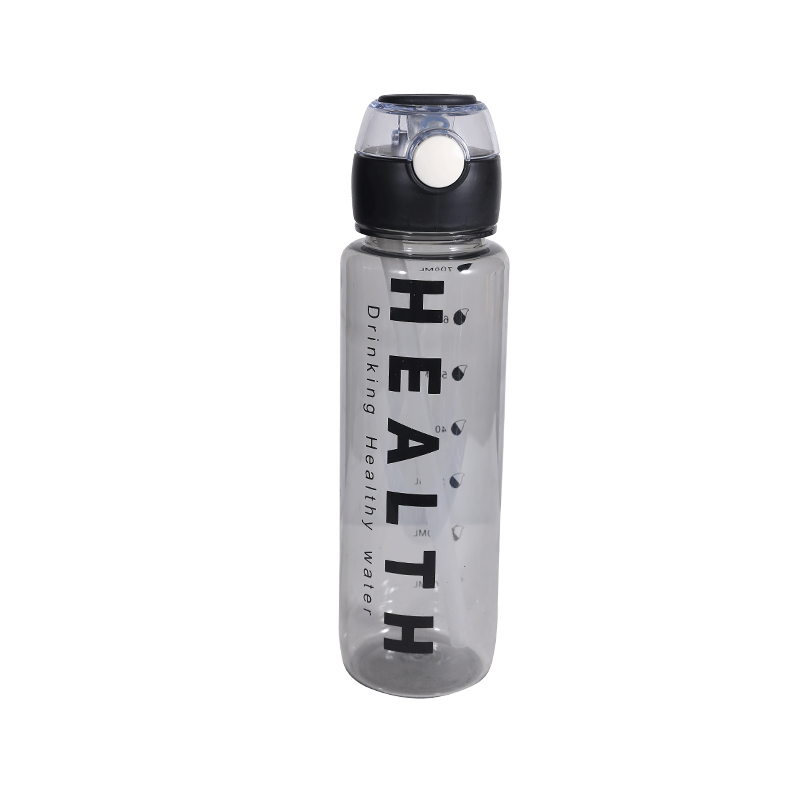
Food-Grade Plastics and Regulatory Standards
Safety in plastic sports bottles begins with compliance with food-grade standards. PET, PP, HDPE, and Tritan are widely recognized as food-safe when produced according to regulatory requirements. Agencies such as the U.S. Food and Drug Administration (FDA) and the European Food Safety Authority (EFSA) establish strict limits on chemical migration from plastics to beverages. Reputable manufacturers of Custom Plastic Sports Bottles adhere to these standards, using certified resins and monitoring production processes to ensure that no harmful substances leach into the water. These standards are particularly important for bottles designed for children or high-temperature environments, where chemical migration risks can increase.
The BPA and Phthalate Concern
One of the common safety concerns is the presence of BPA, a chemical previously used in polycarbonate plastics. BPA can mimic estrogen and has been linked to hormonal disruptions when ingested in significant amounts. Modern sports bottles, especially those labeled as BPA-free, avoid this compound entirely. Phthalates, often used as plasticizers in softer plastics, are also avoided in high-quality Custom Plastic Sports Bottles to ensure that no harmful compounds are released. The “BPA-free” and “phthalate-free” labels on these bottles provide assurance that they meet current safety standards for direct food and beverage contact.
Heat Resistance and Material Integrity
Another factor affecting safety is the bottle’s ability to withstand heat without degrading. Exposure to hot liquids, dishwasher cycles, or sunlight can accelerate chemical leaching in lower-quality plastics. Materials like Tritan and PP are particularly heat-resistant and maintain their structural integrity under moderate to high temperatures. HDPE and PET bottles are safe for cold or room-temperature beverages but may deform or release small amounts of chemicals if exposed to boiling liquids. Ensuring the proper use of a Custom Plastic Sports Bottle according to manufacturer guidelines reduces the risk of material breakdown and chemical migration.
Durability and Longevity Considerations
Material safety is also closely tied to durability. Cracks, scratches, or worn surfaces in plastic bottles can harbor bacteria and compromise both hygiene and chemical safety. High-quality Custom Plastic Sports Bottles use reinforced plastics and smooth internal surfaces to reduce bacterial buildup and extend product life. Proper cleaning routines, including regular hand-washing with mild detergents and drying, further maintain both safety and performance over long-term use.
Environmental and Health Implications
In addition to direct chemical safety, environmentally friendly production and recycling are considerations for health-conscious users. Choosing bottles made from recyclable or reusable plastics reduces environmental contamination and ensures that the material remains safe throughout its lifecycle. Responsible disposal and recycling prevent older or degraded plastics from entering the food chain, enhancing both personal and ecological safety.
Material Safety in Everyday Use
Overall, Custom Plastic Sports Bottles are safe when made from food-grade, BPA-free, and phthalate-free plastics. The combination of regulatory compliance, proper material selection, and responsible usage ensures that these bottles provide a reliable, convenient, and safe hydration solution. Understanding the material properties, heat limits, and maintenance requirements allows users to enjoy these bottles confidently, whether for sports, travel, or daily hydration needs.
