
 English
 中文简体
中文简体 Español
BPA stands for bisphenol A. It's an industrial chemical that's been around since the 1950s, mainly used to make certain plastics and resins. You'll find it in polycarbonate plastics and epoxy coatings. In the water bottle world, a Water Bottle With BPA Free simply means the manufacturer didn't use that specific compound when making the bottle's material.
Polycarbonate plastics show up a lot in hard drinkware and food containers. Epoxy resins are more common as inner linings for metal cans, bottle caps, or pipe interiors. Since these materials can be found in different parts of products that touch food, BPA comes up pretty often when people talk about material choices.
Where you typically find BPA in product design
In actual manufacturing, BPA materials aren't limited to one product type. They can appear in different places depending on what the design calls for:
- Polycarbonate plastic in some rigid water bottles
- Epoxy resin coatings inside metal packaging
- Sealing or protective layers in container systems
- Certain composite materials for industrial use
A Water Bottle With BPA Free label usually tells you that BPA wasn't intentionally added to the bottle body or any parts that come into contact with your drink.
What the research and regulations say
Some studies have looked at whether tiny amounts of BPA might transfer from containers into food or drinks under certain conditions — usually involving heat or long contact time. These studies pay attention to things like temperature, how many times the container gets used, and how stable the material is.
That said, agencies like the U.S. FDA have reviewed the available research and concluded that the very low levels of BPA exposure from food contact materials are safe for regular use. They continue to look at new data as it comes in, which is standard practice for many food-contact materials.
In the water bottle industry, you'll find both BPA-containing and BPA-free materials on the market. Neither one is automatically better across the board. They just serve different design goals and customer preferences.
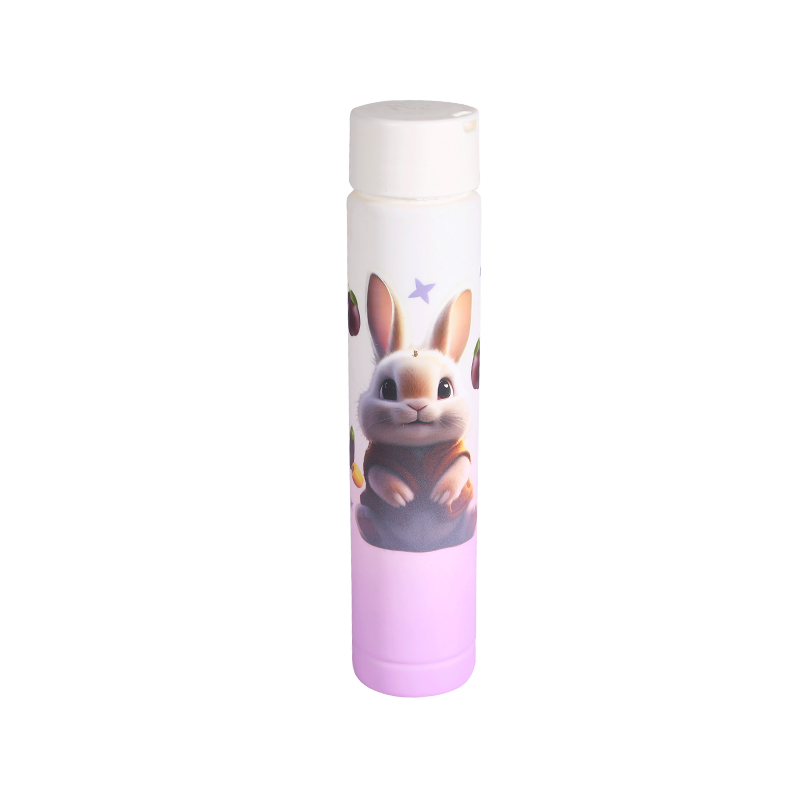
Where BPA-free bottles fit in production
A Water Bottle With BPA Free product is usually made with alternative plastics that don't include BPA in their recipe. These materials are approved for food contact and are pretty common in drinkware manufacturing.
In practice, many manufacturers offer both BPA and BPA-free options. That lets them adjust based on what a specific market wants — things like usage environment, cost, durability, or particular customer requirements.
Common materials in BPA-free bottles
BPA-free bottles are often made from materials like:
- Tritan — clear, tough plastic developed specifically for BPA-free use
- Polypropylene (PP) — lightweight, resists chemicals well, common in food containers
- Polyethylene (PE) — flexible, often used for squeeze bottles or parts
- Stainless steel or glass — non-plastic options with different trade-offs
A Water Bottle With BPA Free isn't defined by how it looks. It's defined by what's not in the material.
Everyday use and practical tips
In real life, water bottles go through a lot — temperature changes, repeated washing, getting knocked around in bags, daily handling. All these things affect how any material performs over time, whether it contains BPA or not.
One practical tip that applies to most plastic bottles: avoid unnecessary high heat. Extreme temperatures can affect material stability and speed up wear, regardless of whether the bottle is BPA-free. This is more about making your bottle last longer than any safety concern specific to one material.
A Water Bottle With BPA Free tends to get picked for situations where material composition matters to the buyer — households with young kids, schools, or just daily hydration where people want that specific feature. BPA-containing bottles still sell widely in other settings where their strength, clarity, or cost makes more sense for the application.
Keeping it in perspective
When manufacturers design a water bottle, BPA is just one factor among many. Strength, clarity, weight, impact resistance, production cost, and recyclability all play a role in what material ends up getting used.
A Water Bottle With BPA Free represents one valid choice. BPA-containing options are also valid, depending on the application. Regulatory agencies have repeatedly said that the very low levels of BPA from food-contact materials are safe, and both types continue to be used in appropriate product segments.
In real manufacturing, the choice usually comes down to product positioning, what the customer asks for, and performance targets — not any single technical factor. Both approaches have their place, and neither one automatically means better or worse quality.
