
 English
 中文简体
中文简体 Español
Introduction to Leak-Proof Plastic Water Bottles
Leak Proof Plastic Water Bottles are widely used for everyday hydration due to their lightweight design, durability, and convenience. Compared to traditional glass or metal water bottles, these plastic bottles offer several practical advantages, especially for outdoor activities, sports, and travel. Many users rely on Leak Proof Plastic Water Bottle Factory guidelines to ensure quality and safety. However, like any material, plastic bottles also have limitations when compared to glass and metal alternatives. Understanding the advantages and disadvantages of these bottles helps consumers make informed choices based on their needs and lifestyle.
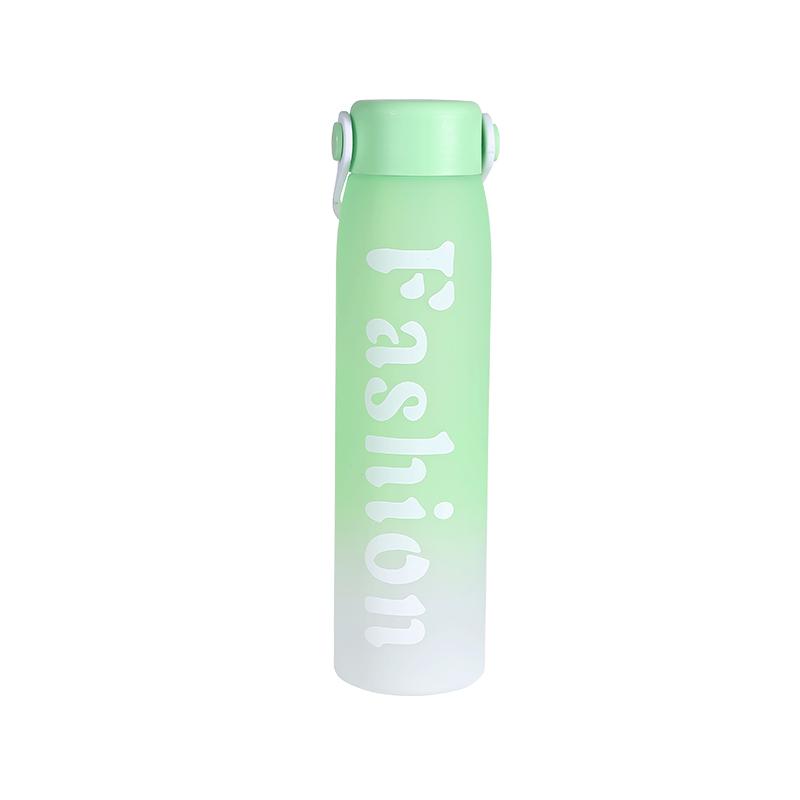
Advantages: Lightweight and Portable
One of the significant benefits of Leak-Proof Plastic Water Bottles is their lightweight nature. Unlike glass or metal bottles, plastic bottles are easy to carry in backpacks, gym bags, or even handbags without adding significant weight. This makes them ideal for commuters, athletes, and travelers who need a portable hydration solution. The reduced weight also lowers the risk of injury if the bottle is dropped, making it safer for children and elderly users.
Durability and Impact Resistance
Plastic bottles are generally more resistant to impact than glass bottles. They are less likely to crack or shatter when dropped, which makes them suitable for outdoor activities and sports. While metal bottles are also durable, they can dent or warp under heavy impact. Leak Proof Plastic Water Bottle Factory standards often include reinforced designs and high-quality materials to ensure long-lasting durability, which enhances consumer confidence.
Leak-Proof and Convenience Features
Leak-proof designs are a key selling point of high-quality plastic bottles. These bottles often feature tightly sealed caps, silicone gaskets, and ergonomic designs that prevent spills and leaks. This makes them ideal for carrying in bags or backpacks without worrying about wetting other items. The convenience of one-handed operation, flip-top lids, or straws further increases usability, giving plastic bottles an advantage in daily life compared to heavier glass bottles, which are typically more cumbersome.
Disadvantages: Environmental Impact
One major drawback of plastic bottles is their environmental footprint. Even when recyclable, plastic bottles contribute to pollution if not properly disposed of. Glass and metal bottles are more environmentally friendly in the long term because they can be reused or recycled with less impact. Additionally, the production of high-quality plastic may involve chemical additives that raise sustainability concerns, which is an important consideration for eco-conscious consumers.
Health and Safety Considerations
While modern Leak-Proof Plastic Water Bottles are often BPA-free and certified for safe use, some consumers remain concerned about potential chemical leaching when exposed to high temperatures. Glass bottles offer a completely inert alternative, while metal bottles, such as stainless steel, provide durability without the risk of chemical exposure. Proper selection from a reputable Leak-Proof Plastic Water Bottle Factory helps reduce these risks, but careful use is still recommended, particularly with hot liquids.
Leak Proof Plastic Water Bottles offer several advantages, including lightweight portability, impact resistance, and convenient leak-proof features, making them ideal for sports, travel, and daily use. However, they have disadvantages related to environmental impact and potential chemical concerns compared to glass and metal bottles. By weighing these pros and cons, consumers can choose the bottle type for their lifestyle, balancing convenience, safety, and sustainability.
