
 English
 中文简体
中文简体 Español
Introduction to Leak Proof Plastic Water Bottles
A Leak Proof Plastic Water Bottle is a popular choice for active users, travelers, and office workers due to its convenience, portability, and spill-resistant design. However, one common concern is whether these bottles can develop unpleasant odors or chemical smells during transportation and storage. Understanding the causes of these odors, their potential health implications, and ways to prevent them is essential for both consumers and manufacturers aiming to provide safe and enjoyable hydration solutions.
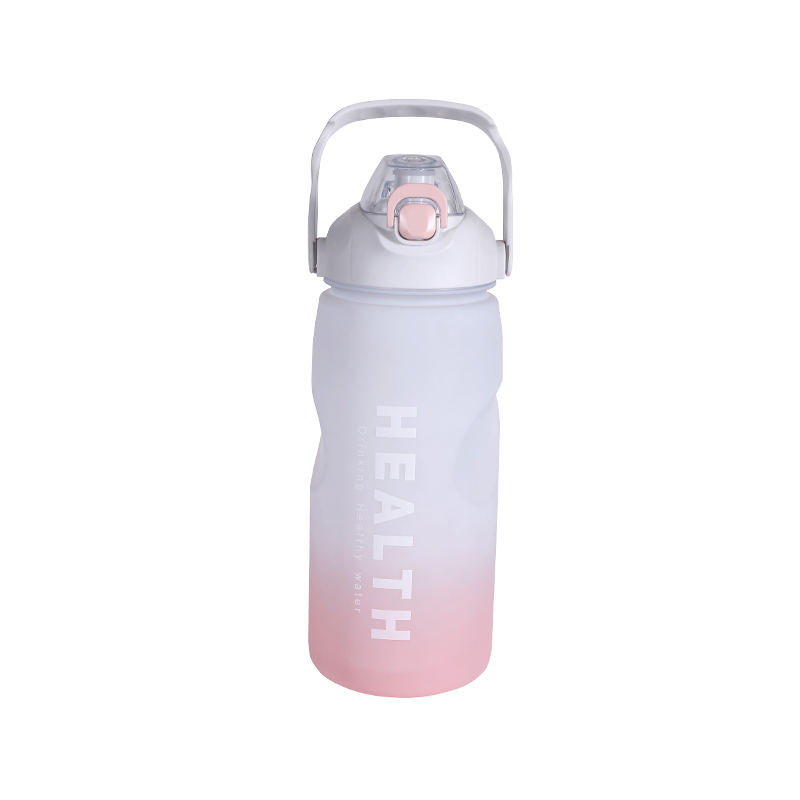
Causes of Odor in Plastic Water Bottles
Odors in plastic water bottles typically arise from several sources. Residual chemicals from the manufacturing process, such as plasticizers, monomers, or other additives, can sometimes remain inside the bottle. Over time, these compounds may release volatile compounds that produce a noticeable smell. Secondly, improper cleaning or prolonged storage of bottles with residual liquids can cause microbial growth, including bacteria or mold, which emits unpleasant odors. Finally, environmental factors such as exposure to heat, sunlight, or strong-smelling substances during transport can exacerbate the problem by accelerating chemical reactions or causing the plastic to absorb external odors.
Material Factors Affecting Odor
The type of plastic used in a leak proof water bottle has a significant influence on odor formation. Common materials include polyethylene terephthalate (PET), Tritan™, high-density polyethylene (HDPE), and polypropylene (PP). BPA-free plastics like Tritan™ are less likely to impart chemical smells compared to standard PET bottles. HDPE and PP are generally more chemically stable but may still retain odors from repeated use or exposure to high temperatures. Choosing bottles made from high-quality, food-grade plastics reduces the likelihood of chemical odors during storage or transport.
Storage and Transportation Considerations
During transportation and storage, plastic water bottles can be subjected to temperature fluctuations, direct sunlight, and high humidity. High temperatures, such as those experienced in a parked car or warehouse, can accelerate the release of residual chemicals and increase the intensity of odors. Long-term storage without proper ventilation can also allow odors to concentrate inside the sealed bottle. It is advisable to transport bottles in shaded areas and store them in cool, dry places to reduce these effects.
Prevention and Maintenance
Preventing odors in a Leak Proof Plastic Water Bottle requires proper cleaning and maintenance. Bottles should be thoroughly washed with warm water and mild detergent before use and regularly thereafter. Using a bottle brush to reach corners and lids helps remove trapped residues that may harbor bacteria. Occasional rinsing with a diluted vinegar solution or baking soda can neutralize lingering chemical or organic odors. Additionally, ensuring that the bottle is completely dry before sealing and storing prevents microbial growth and odor formation.
Leak proof plastic water bottles offer convenience and portability, but odors and chemical smells can develop during transport or storage if proper precautions are not taken. Factors such as residual manufacturing chemicals, microbial growth, and environmental exposure play a significant role in odor formation. Choosing high-quality, food-grade plastics and maintaining strict cleaning and storage practices significantly reduces the likelihood of unpleasant odors. For both users and manufacturers, understanding these factors ensures that a Leak Proof Plastic Water Bottle remains safe, hygienic, and enjoyable to use under various conditions.
