
 English
 中文简体
中文简体 Español
Introduction to Sports Water Bottle Durability
A Sports Water Bottle is an essential accessory for athletes, outdoor enthusiasts, and individuals with an active lifestyle. One key factor that users consider is durability, particularly the bottle’s resistance to impact and accidental drops. Understanding the factors that contribute to a water bottle’s toughness helps consumers choose a product that withstands the rigors of daily use. For manufacturers, ensuring adequate durability is a primary concern when designing bottles, as it affects customer satisfaction and product reputation, including products produced by a Sports Water Bottle Manufacturer.
Materials Affecting Impact Resistance
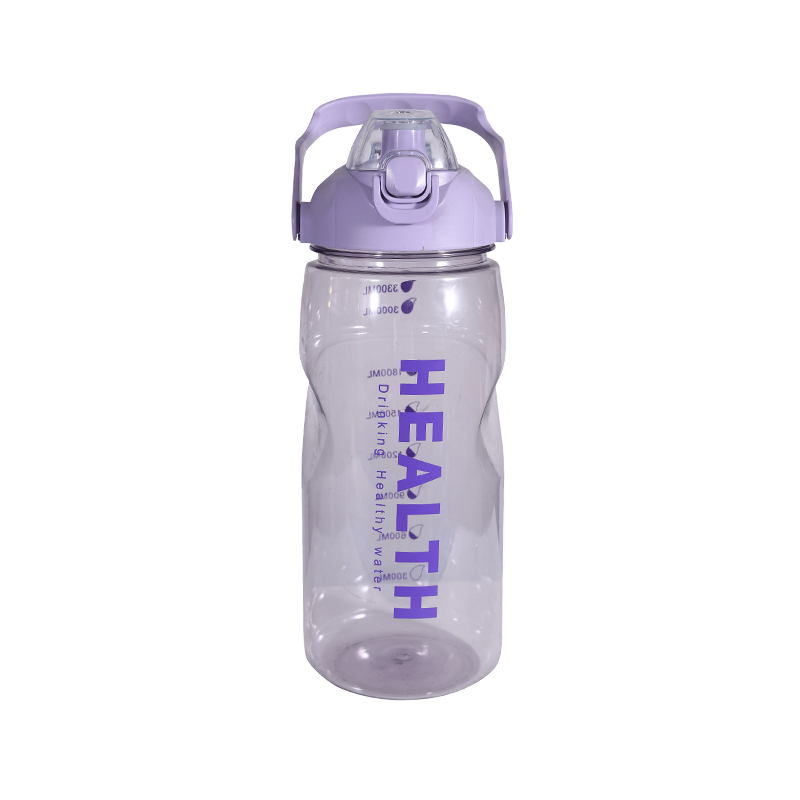
The durability of a sports water bottle largely depends on the material from which it is made. Common materials include high-density polyethylene (HDPE), polypropylene (PP), Tritan™ plastic, and stainless steel. HDPE and PP are lightweight and have good resistance to cracking under moderate impacts, making them suitable for active use. Tritan™ plastic is a BPA-free material known for its toughness and clarity, combining both impact resistance and aesthetic appeal. Stainless steel bottles offer good durability, being virtually impervious to cracking, although they may dent upon severe impact. The choice of material influences not only impact resistance but also overall usability and weight.
Design Considerations for Durability
Besides material, the design of a sports water bottle significantly affects its ability to withstand drops. Bottles with reinforced walls, thicker bases, and ergonomic shapes tend to absorb impact forces more effectively. Rounded edges and seamless construction can also reduce stress points where cracks or fractures might develop. Some designs incorporate protective sleeves or rubberized exteriors, which provide additional cushioning during falls. Manufacturers, including a Sports Water Bottle Manufacturer, often test bottles under controlled drop scenarios to ensure that the design meets durability standards.
Real-World Testing and Performance
Durability testing simulates real-life conditions such as accidental drops, compressive forces, and repeated use. Many sports water bottles are tested from standard heights to ensure they survive typical impacts experienced during workouts, hiking, or sports activities. While no bottle is completely indestructible, high-quality bottles can withstand repeated drops without significant damage or leaks. The performance of a bottle in such tests indicates its reliability for consumers who require long-lasting and low-maintenance hydration solutions.
Factors That Reduce Durability
Several factors can compromise the durability of a sports water bottle. Exposure to extreme temperatures, prolonged sunlight, and repeated mechanical stress can weaken plastics over time, making them more prone to cracks. Mishandling, such as dropping bottles on sharp surfaces, can also cause damage. Users should be aware that even impact-resistant bottles have limitations and should avoid conditions that exceed the design specifications. Understanding these factors ensures that bottles maintain their protective and functional qualities over time.
The impact resistance of a sports water bottle is determined by a combination of material choice, design features, and real-world testing. Plastic options like HDPE, PP, and Tritan™ provide lightweight and resilient solutions, while stainless steel offers durability. Thoughtful design features, such as reinforced walls and protective sleeves, further enhance resistance to drops and daily wear. By considering these aspects, consumers can select a sports water bottle that meets their durability needs, ensuring reliable hydration for active lifestyles. For a Sports Water Bottle Manufacturer, focusing on these durability factors is essential to deliver products that satisfy users and maintain long-term brand reputation.
