
 English
 中文简体
中文简体 Español
Introduction to Plastic Sports Bottles
Custom Plastic Sports Bottles are widely used for hydration during exercise, outdoor activities, and daily life. They are lightweight, affordable, and often designed with features like spill-proof lids, squeezable bodies, and vibrant colors. However, they differ significantly from traditional reusable water bottles, such as stainless steel or glass alternatives. Understanding the advantages and disadvantages of each type helps consumers make informed choices based on convenience, safety, and environmental impact.
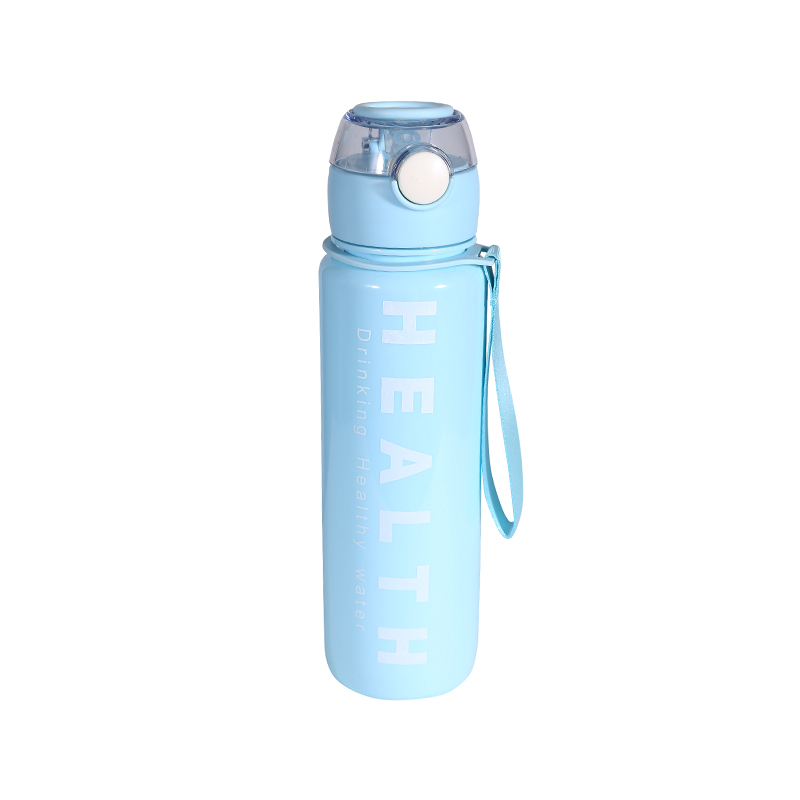
Advantages of Plastic Sports Bottles
Plastic sports bottles offer several benefits. They are extremely lightweight, which makes them easy to carry during workouts or outdoor activities. Their design often includes squeezable bodies and flip-top lids, allowing users to hydrate quickly without removing a cap. Secondly, plastic bottles are generally inexpensive, making them suitable for bulk purchases or promotional purposes. Thirdly, they are available in a wide variety of shapes, sizes, and colors, enabling customization for brands or personal preferences. For athletes and active individuals, the ergonomic design of plastic sports bottles enhances grip and usability during exercise.
Limitations of Plastic Sports Bottles
Despite their convenience, plastic sports bottles have some disadvantages. They may release chemicals, such as BPA or phthalates, if exposed to high temperatures or used repeatedly over long periods. Their durability is lower compared to reusable water bottles made of stainless steel or glass, and they can develop cracks or scratches more easily. Additionally, single-use or poorly maintained plastic bottles contribute to environmental pollution, as they are less likely to be recycled properly. Cleaning plastic bottles can also be more challenging, especially when bacteria or mold develop in the lid or cap areas.
Advantages of Reusable Water Bottles
Reusable water bottles, such as those made from stainless steel, glass, or durable BPA-free plastics, offer good durability and long-term cost-effectiveness. They can withstand higher temperatures without releasing harmful chemicals and are easier to clean thoroughly. Stainless steel bottles, in particular, maintain water temperature, keeping beverages cold or warm for extended periods. Glass bottles provide a chemical-free option that does not affect taste. Using reusable bottles also reduces plastic waste, making them more environmentally friendly and sustainable compared to disposable or short-term plastic sports bottles.
Limitations of Reusable Water Bottles
Reusable water bottles are generally heavier and less flexible than plastic sports bottles, which may reduce convenience during sports or outdoor activities. Stainless steel bottles can dent if dropped, and glass bottles may break more easily. They often come with higher upfront costs, which may deter some users from purchasing multiple bottles. Additionally, some designs lack the quick-access features of sports bottles, such as squeeze functionality or flip-top lids, which can be less practical for active users who need rapid hydration.
Both Custom Plastic Sports Bottles and reusable water bottles have unique advantages and limitations. Plastic sports bottles excel in lightweight design, affordability, and ease of use during physical activities, but they may pose chemical and environmental concerns. Reusable water bottles provide durability, safety, and sustainability, though they are often heavier and more expensive. Choosing between the two depends on individual needs, including lifestyle, environmental priorities, and intended usage scenarios. Understanding these factors ensures that users select the appropriate bottle for safety, convenience, and long-term satisfaction.
