
 English
 中文简体
中文简体 Español
Introduction to Plastic Water Bottles
Plastic water bottles are one of the common packaging solutions for drinking water worldwide. They are lightweight, convenient, and inexpensive, which makes them popular for daily use and outdoor activities. However, concerns have been raised about the safety of using plastic bottles in high-temperature environments, such as inside parked cars or during hot summer days. Understanding the potential for chemical leaching under these conditions is essential for both consumers and manufacturers, including those operating a Plastic Water Bottle Factory.
Materials Used in Plastic Bottles
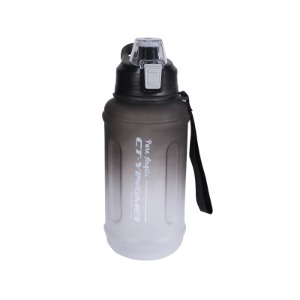
Most plastic water bottles are made from polyethylene terephthalate (PET), while some are made from polypropylene (PP) or high-density polyethylene (HDPE). PET is lightweight and transparent, making it ideal for disposable bottles, but it is sensitive to temperature changes. Certain chemicals used in plastic production, such as antimony or plasticizers, may migrate into the water when the bottle is exposed to heat. HDPE and PP bottles are more heat-resistant, yet repeated exposure to high temperatures can still cause degradation over time.
Chemical Leaching Mechanisms
When plastic bottles are exposed to elevated temperatures, the polymer structure can become unstable, allowing chemicals to leach into the water. Studies have indicated that compounds like antimony, bisphenol A (BPA), or other plastic additives can migrate into the liquid, especially when temperatures exceed 40°C (104°F). This migration is influenced by factors such as the duration of exposure, sunlight, and the type of plastic. While the levels of these chemicals are usually low, prolonged or repeated consumption may pose potential health risks, particularly for children, pregnant women, and individuals with certain sensitivities.
Risks Associated with High-Temperature Storage
Storing water bottles in cars, near windows, or in direct sunlight can accelerate chemical leaching. In addition to chemical risks, high temperatures can affect taste and odor, making the water less palatable. Some studies have shown that repeated heating and cooling cycles increase the likelihood of chemical release. Consumers may not notice immediate effects, but chronic exposure to even low levels of certain compounds can have long-term health implications. Awareness of these risks is critical to ensure safe hydration practices.
Recommendations for Safe Usage
To reduce chemical exposure, it is recommended to store plastic water bottles in cool, shaded areas and avoid leaving them in parked cars or other hot environments. Using reusable bottles made of stainless steel or glass can further reduce exposure to potentially harmful substances. For manufacturers, maintaining high production standards and selecting safe, BPA-free materials in a Plastic Water Bottle Factory is crucial to ensure that the bottles remain safe under normal and slightly elevated temperatures.
High temperatures can affect plastic water bottles by promoting the release of chemical additives into the stored water. While short-term exposure may not cause immediate harm, repeated or prolonged exposure can pose potential health risks. Understanding the types of plastics used, the mechanisms of chemical leaching, and implementing proper storage practices are essential steps to reduce these risks. Both consumers and manufacturers, including a Plastic Water Bottle Factory, play a role in ensuring the safety of bottled water in hot environments. By following safety guidelines and considering alternative materials, it is possible to enjoy the convenience of plastic bottles while reducing potential chemical exposure.
