
 English
 中文简体
中文简体 Español
Introduction to Material Differences
A Transparent Sports Water Bottle offers a very different user experience compared to a stainless steel water bottle. Transparency provides the immediate benefit of visual monitoring, allowing users to see the remaining liquid and check for cleanliness or contamination. Stainless steel bottles, on the other hand, are opaque but provide good durability and insulation. Understanding the advantages and limitations of both materials helps consumers make informed choices depending on their activity, lifestyle, and personal preferences.
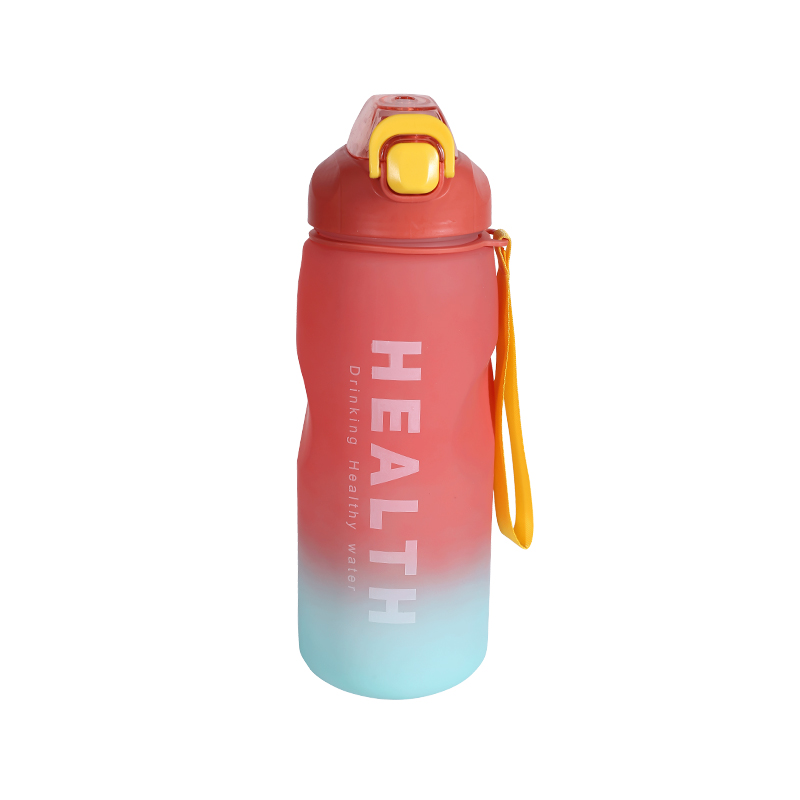
Visual Monitoring and Convenience
One of the primary advantages of a Transparent Sports Water Bottle is the ability to quickly gauge fluid levels without opening the bottle. This feature is particularly useful during workouts, outdoor activities, or when tracking daily hydration. Users can also easily observe any sediment, discoloration, or microbial growth, which is more challenging with opaque stainless steel bottles. The visibility encourages regular cleaning and ensures safer drinking water, especially for beverages like infused water or juices. However, constant exposure to light may accelerate minor chemical breakdown in low-quality plastics, which can affect taste or durability over time.
Durability and Impact Resistance
Stainless steel water bottles generally outperform Transparent Sports Water Bottles in terms of impact resistance and longevity. Stainless steel is highly resistant to dents, scratches, and temperature-induced deformation, making it ideal for outdoor adventures, travel, and heavy usage. In contrast, transparent plastic bottles, even when made from high-quality Tritan or BPA-free materials, may be more prone to cracking or scratching if dropped. While modern plastics are designed to withstand moderate stress, repeated impacts over time can compromise structural integrity, whereas stainless steel maintains a consistently strong exterior.
Thermal Insulation and Temperature Control
Another notable difference lies in thermal properties. Stainless steel bottles, especially those with double-wall vacuum insulation, can maintain beverage temperatures for extended periods—keeping drinks cold or hot for hours. Transparent Sports Water Bottles, being mostly single-walled plastic, have minimal insulation, which limits temperature retention. For users seeking hydration during long outdoor excursions, temperature-sensitive drinks, or hot beverages, stainless steel provides a clear advantage. However, for quick access to cold water during workouts or gym sessions, plastic bottles remain convenient and lightweight.
Weight and Portability Considerations
Transparent Sports Water Bottles typically weigh less than stainless steel bottles, enhancing portability for athletes, students, or commuters. Their lightweight nature makes them easy to carry in backpacks, gym bags, or bicycle holders. Stainless steel bottles, while more robust, can be heavier and bulkier, especially insulated versions. The trade-off between weight and durability is a key factor for consumers, depending on activity type and duration. For short-term sports use, a transparent plastic bottle offers significant convenience, whereas for long-term outdoor durability, stainless steel is preferred.
Cleaning and Maintenance
Transparent Sports Water Bottles allow users to inspect cleanliness directly, simplifying hygiene maintenance. They are usually dishwasher-safe and less prone to retaining odors if cleaned regularly. Stainless steel bottles can develop odors or residue inside if not cleaned properly, although they are highly resistant to microbial growth on the exterior. Both types require proper care, but transparency offers an intuitive advantage in monitoring cleanliness and ensuring safe drinking water.
Choosing Between Plastic and Steel Bottles
A Transparent Sports Water Bottle excels in convenience, visual monitoring, and lightweight portability, while stainless steel bottles provide good durability, insulation, and long-term resilience. Selecting the appropriate bottle depends on the user’s priorities—whether ease of use, weight, and visibility are more important, or whether durability and temperature retention are the primary considerations. By evaluating activity needs and lifestyle preferences, consumers can make an informed choice between transparent plastic and stainless steel water bottles.
