
 English
 中文简体
中文简体 Español
A plastic water bottle and an insulated bottle might look like they do the same job. But once you've used both for a while, the differences become pretty clear. They're built differently, behave differently in daily use, and each fits its own kind of routine.
How they're actually built
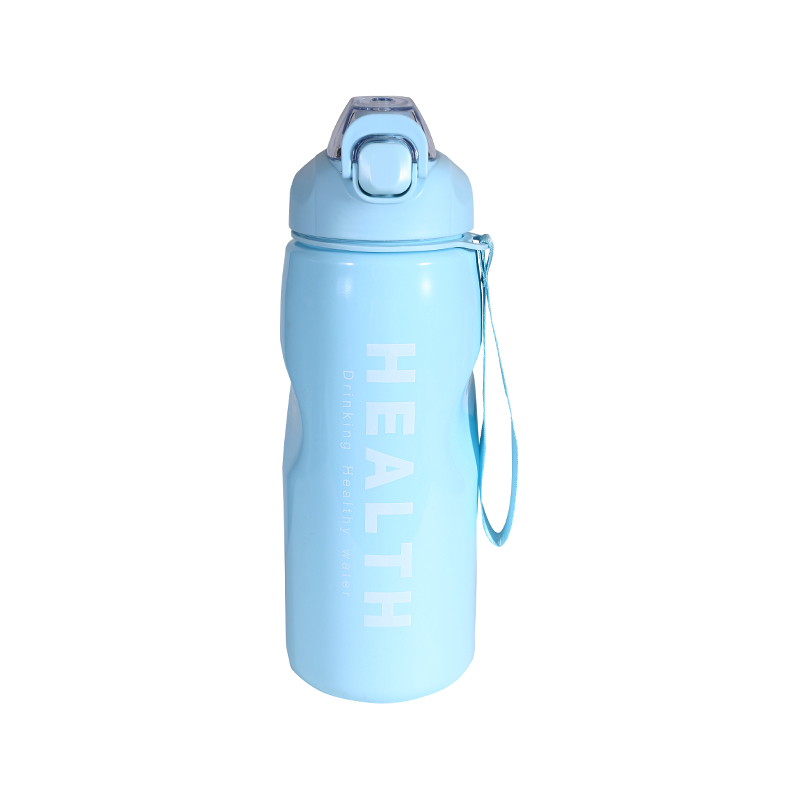
A Plastic Water Bottle is typically made from materials like PET, PP, or PC. The structure is single-layer — what you see is what you get. The bottle is formed directly through molding, with no extra lining or vacuum space inside.
An insulated bottle, on the other hand, is usually stainless steel with a double-wall construction. Between the two walls, there's a vacuum layer designed to slow down heat transfer. That's why it can keep coffee hot for hours or water cold through a long afternoon.
From a production standpoint, a Plastic Water Bottle Factory focuses on things like molding consistency, wall thickness control, and shape accuracy. Insulated bottle manufacturing involves extra steps — metal forming, sealing between layers, and vacuum treatment. Two completely different production logics.
Temperature behavior in real life
Let's be honest — a Plastic Water Bottle doesn't really keep your drink hot or cold for long. Pour in ice water on a warm morning, and by lunch it's room temperature. Hot tea? It cools down pretty fast as it adjusts to the air around it.
Insulated bottles are the opposite. That vacuum layer slows down heat exchange significantly. Hot stays hot. Cold stays cold. That's their main trick.
But here's the thing — not everyone needs that. A Plastic Water Bottle Factory doesn't design for temperature control. They design for basic liquid storage, lightweight handling, and everyday convenience. Different goals, different products.
Weight and how it feels to carry
Plastic bottles are noticeably lighter. Grab a Plastic Water Bottle, toss it in a backpack, carry it around during a walk or a workout — you barely feel it. That's a real advantage when you're on the move.
Insulated bottles are heavier. The stainless steel body and double-wall structure add weight. Some people don't mind it. Others find it a bit much for daily commuting or gym bags.
So if you're someone who carries water everywhere — short trips, school, quick errands — a plastic bottle just feels easier. And that's exactly what a Plastic Water Bottle Factory keeps in mind: making something useful without weighing you down.
Manufacturing flow and what goes into it
Plastic bottle production follows a relatively straight path. Raw plastic material is shaped, cooled, trimmed, and assembled. Changes in design or mold can be made pretty quickly.
Insulated bottle production is more complex. Metal sheets get formed, welded or sealed, then vacuum-treated between layers, then surface-finished. More steps, tighter tolerances, slower adjustments.
That's why plastic bottle production is more flexible when it comes to shape variety and faster turnaround for different designs. A Plastic Water Bottle Factory can adapt quickly — whether it's a custom color, a specific volume, or a promotional batch.
Everyday usage — who picks which
You'll see plastic water bottles often in gyms, schools, commuter bags, and short outdoor trips. People grab them when they want simple hydration, easy replacement, and not much fuss.
Insulated bottles show up more in offices, long travel days, or situations where someone really wants their coffee hot at 3 PM or their water icy after hours in a car.
Neither is better overall. They just serve different habits. A Plastic Water Bottle Factory mostly supplies bulk orders for daily-use products, promotional items, and retail shelves — the kind of bottle you use without thinking too much about it.
Durability and how long they last
Plastic bottles vary. Some are built for repeated use with thicker walls. Others are lighter and meant for shorter cycles — like event giveaways or travel packs.
Insulated bottles tend to last longer because of the metal body and sealed construction. Drop one, and it usually survives.
That said, a Plastic Water Bottle Factory often adjusts materials based on what the customer needs — cost, durability, usage frequency. Not every plastic bottle is flimsy. Not every insulated bottle is indestructible.
A quick real-world comparison
Daily handling: Plastic is lighter, easier to carry, simpler to replace.
Temperature control: Insulated wins clearly — but only if you actually need that.
Production flexibility: Plastic allows faster changes in shape, color, and volume.
Durability: Insulated generally lasts longer, but plastic can be surprisingly tough depending on material choice.
Both types are everywhere because they work for different people and different moments. A Plastic Water Bottle Factory isn't trying to compete with insulated bottles — they're serving a different part of daily life. And for a lot of people, that simple, lightweight, no-fuss bottle is exactly what works.
