
 English
 中文简体
中文简体 Español
People who exercise regularly face a simple problem. Drinking water requires stopping. A straw sports water bottle removes that pause. Instead of tilting a bottle or unscrewing a cap, the user just puts their mouth to the straw and drinks. This small change affects how much water people actually consume during workouts.
How a Straw Changes Drinking Behavior
A regular water bottle needs two hands and a head tilt. A straw sports water bottle needs one hand and no head movement. That difference matters during running, cycling, or weight training.
Researchers who study hydration habits have noted that convenience directly affects fluid intake. When water is easier to reach, people drink more. A straw removes two barriers.
- No need to tilt the head back
- No need to unscrew and re-screw a cap
The user stays focused on their activity. The drinking action takes less than two seconds.
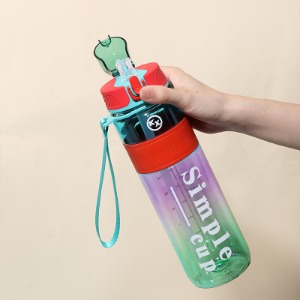
Key Features of a Straw Sports Water Bottle
Manufacturers design these bottles with specific features that suit active users.
|
Feature |
Purpose |
|
Straw lid with flip cover |
Keeps the straw clean when not in use |
|
One-hand operation |
Allows drinking while holding equipment |
|
Leak-proof seal |
Prevents spills in gym bags or backpacks |
|
Wide mouth opening |
Easy to clean and add ice cubes |
|
BPA-free plastic or stainless steel |
Safe for daily use |
A straw sports water bottle without a leak-proof seal creates more problems than it solves. Buyers should check that the lid closes firmly and the straw folds down completely.
Who Benefits Most from This Design
Different user groups gain different advantages from a straw sports water bottle.
- Runners – Keep their heads steady and eyes on the road. No need to slow down or break stride.
- Cyclists – Drink without taking both hands off the handlebars. The straw works while riding on uneven surfaces.
- Gym goers – Drink between sets without sitting up from a bench or putting down weights.
- Parents with young kids – Hold a child with one hand and drink with the other. No cap to drop on the floor.
- Office workers – Drink at a desk while typing. No tilting or loud unscrewing noises.
- Each group finds a different reason to switch. The common factor is interruption. A regular bottle interrupts what you are doing. A straw sports water bottle does not.
Common Misconceptions About Straw Bottles
Some buyers worry that straw bottles are harder to clean. The opposite is usually true. Most straw sports water bottle lids come apart into three or four pieces. The straw pulls out. The silicone seal removes. Each piece washes separately.
Another concern is durability. A plastic straw seems fragile. But manufacturers use food-grade silicone or hard PP for straws. These materials bend without breaking. They also resist biting damage.
A third concern is temperature. Some users think straw bottles only work for cold water. In fact, many straw sports water bottle models handle warm liquids as well. The straw material does not soften or release chemicals at normal drinking temperatures (below 60°C).
How to Choose the Right Model
Buyers looking for a straw sports water bottle should consider three factors.
- Capacity – Smaller bottles (500-600 ml) fit in car cup holders and are lighter to carry. Larger bottles (800-1000 ml) reduce refill frequency during long workouts.
- Straw type – Fixed straws stay attached but may be harder to clean. Removable straws are easier to wash but can be lost.
- Lid mechanism – Flip lids open quickly, but they can break if dropped. Slide lids are more durable but require a tiny bit of force to open.
A straw sports water bottle with a locking lid offers extra safety for tossing into a crowded bag. Without a lock, the lid may open accidentally and leak.
Cleaning and Maintenance
Manufacturers recommend washing the straw separately from the lid. A small brush reaches inside the straw channel. Dishwasher-safe models exist, but hand washing extends the life of the silicone seals.
The straw itself should be replaced every six to twelve months, depending on use. Bite marks or cracks mean it is time for a new straw. Many brands sell replacement straws separately.
Market Demand for Straw Sports Water Bottles
Sales data from the past three years show steady growth in the straw sports water bottle category. Retailers report that customers who buy one straw bottle often return for a second or third. The product creates loyalty because the experience is noticeably better than regular bottles.
Younger buyers, especially those aged 18 to 34, show the highest preference for straw designs. This group grew up with sippy cups and straw cups. The transition to a straw sports water bottle feels natural to them.
Older buyers adopt straw bottles for different reasons. Arthritis makes twisting caps painful. A straw lid removes that pain entirely.
A straw sports water bottle does not hold more water than a regular bottle. It does not keep water colder for longer. What it does is remove friction from the act of drinking. The user spends less time opening and closing. They spend less energy tilting and balancing. Over a full day of exercise, work, and errands, that saved effort adds up. And the result is simple. They drink more water without thinking about it.
