
 English
 中文简体
中文简体 Español
Introduction to Straw Sports Water Bottle Durability
Straw Sports Water Bottles are popular for their convenience, portability, and ease of hydration during sports and outdoor activities. However, durability and impact resistance are critical factors for ensuring long-term usability. Assessing a bottle’s ability to withstand drops, impacts, and daily wear helps consumers make informed choices. Trusted Straw Sports Water Bottle Manufacturer guidelines highlight material quality, structural design, and testing methods as key criteria for evaluating durability. Understanding these factors ensures that users select bottles that can endure active lifestyles without compromising performance or safety.
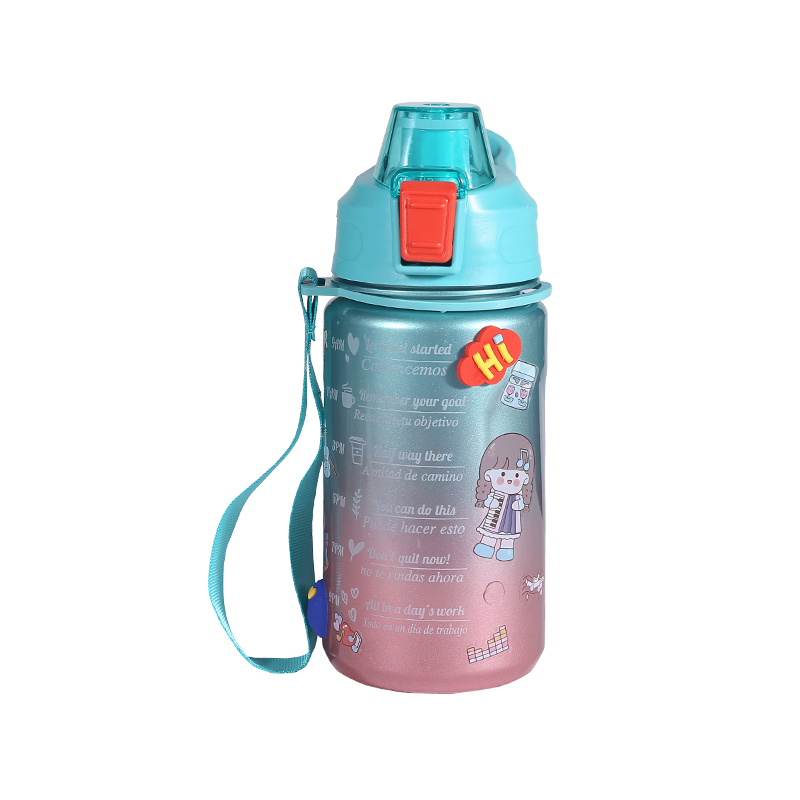
Material Quality and Impact Resistance
The material used in a Straw Sports Water Bottle significantly affects its durability. High-quality plastics such as Tritan, polypropylene, and BPA-free copolymers are commonly used because they offer strong resistance to cracks and breakage. Some bottles feature reinforced bases or double-wall construction to further enhance impact resistance. Evaluating the material involves checking manufacturer specifications, looking for certifications indicating food-grade and BPA-free status, and reviewing any heat or impact tests provided by the Straw Sports Water Bottle Manufacturer. Durable materials reduce the risk of shattering or deformation when the bottle is dropped or exposed to rough handling.
Design Factors Affecting Durability
Durability is also influenced by the structural design of the bottle. Bottles with thickened walls, reinforced corners, and ergonomic grips can better absorb shocks and distribute impact forces. The straw mechanism itself should be sturdy and resistant to bending or cracking under stress. Bottles with integrated caps and secure seals are less likely to leak or break during falls. Users should evaluate whether the lid and straw assembly are designed for repeated opening and closing without weakening over time, as these points are often vulnerable in a Straw Sports Water Bottle.
Testing for Drop Resistance and Longevity
Practical testing is essential for evaluating impact resistance and overall durability. Drop tests from various heights onto hard surfaces simulate real-world conditions, helping determine how well the bottle withstands accidental drops. Longevity testing involves repeated use cycles, opening and closing the lid, and squeezing or pressing the bottle to check for deformation or leaks. Many reputable Straw Sports Water Bottle Manufacturers provide such test results or certifications, allowing consumers to compare performance across different brands and models. These tests help ensure that the bottle will maintain functionality over months or years of regular use.
Maintenance and Care Considerations
Durability is also affected by maintenance and care. Proper cleaning, avoiding harsh chemicals, and preventing exposure to extreme temperatures can extend the life of the bottle. Inspecting the straw and cap assembly for wear and replacing components when necessary helps maintain performance and prevents failures. Even a highly durable bottle can be compromised if used improperly, so following manufacturer guidelines for care is a crucial part of evaluating long-term usability.
Evaluating the durability and impact resistance of a Straw Sports Water Bottle involves considering material quality, structural design, drop and longevity testing, and proper maintenance. By following guidelines from a trusted Straw Sports Water Bottle Manufacturer and reviewing practical test results, consumers can select bottles that withstand active use, accidental drops, and daily wear. Durable, well-designed bottles provide reliable performance, ensuring safe and convenient hydration for sports, travel, and everyday activities.
