
 English
 中文简体
中文简体 Español
Introduction to Plastic Water Bottle For Adults
Plastic Water Bottle For Adults are widely designed for personal hydration, offering large capacities, durability, and advanced sealing mechanisms. These bottles often feature leak-proof lids, flip-top caps, or screw-on tops to prevent spills during daily use. While their robust design makes them ideal for adults, many parents wonder whether these bottles are suitable for children. Evaluating the sealing mechanisms, usability, and safety features is essential to determine whether an adult bottle can meet a child’s needs without posing risks.
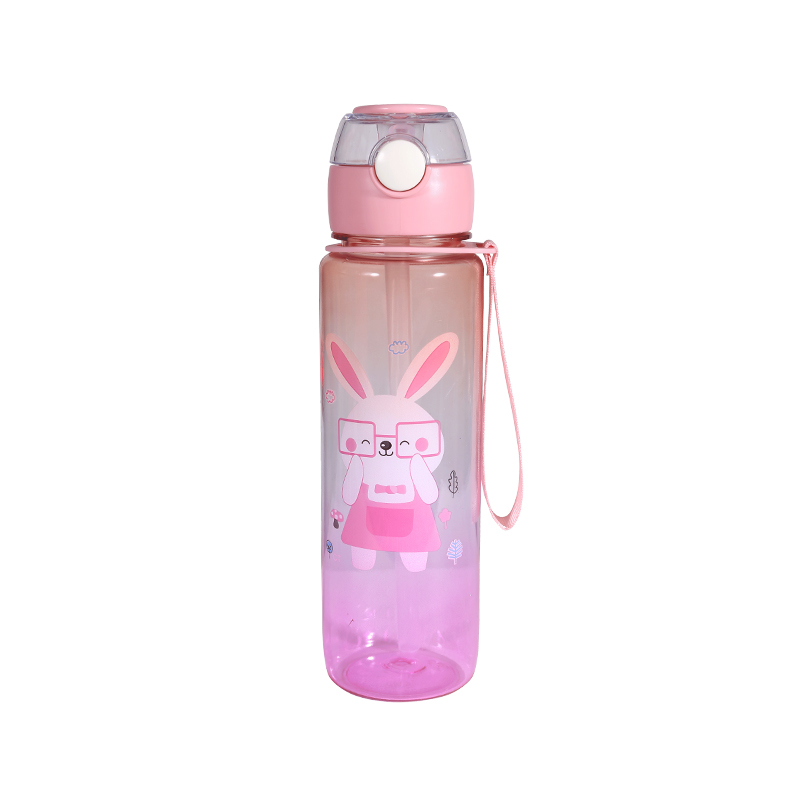
Sealing Mechanisms and Leak Prevention
A key feature of Plastic Water Bottle For Adults is its sealing mechanism, which is designed to prevent leaks during transport or vigorous use. Screw-on caps and silicone gaskets create tight seals, while flip-top lids with locking systems reduce accidental openings. While these features are effective for adults, children may find them difficult to operate. Tight seals can require more hand strength to open, and complex locking mechanisms may be frustrating for younger users. Understanding the bottle’s sealing type helps determine if it is child-friendly or better suited for older children who have sufficient hand dexterity.
Capacity and Weight Considerations
Adult water bottles are typically larger in size, often holding 750ml to 1.5L of liquid. This capacity, while convenient for adult use, may be cumbersome for children. When full, an adult bottle can be heavy, making it difficult for a child to drink comfortably or carry. Even a bottle with good sealing may become impractical if it is too large or heavy, increasing the risk of spills or dropped bottles. Parents should consider whether the bottle’s weight and volume are appropriate for the child’s age and strength before allowing regular use.
Material Safety and Durability
Plastic Water Bottle For Adults is usually made from BPA-free, food-grade plastics designed for long-term use. These materials are durable, impact-resistant, and capable of withstanding daily handling. For children, material safety is especially important. Bottles that are free from harmful chemicals and resistant to cracking or chipping are ideal. Even with a secure sealing mechanism, a bottle that breaks easily can pose a choking hazard or risk of injury. Evaluating material quality ensures that the bottle remains safe under typical child use conditions.
Usability and Ergonomics
Ease of use is another factor in determining whether an adult bottle suits children. Adult bottles may have wider diameters, large spouts, or push-button lids that require more finger strength. Some designs are optimized for adult hand sizes, making it harder for children to grip or drink efficiently. Bottles with straw mechanisms or smaller, lightweight designs are generally more suitable for younger users, even if the sealing quality is slightly lower. Balancing sealing performance with child-friendly ergonomics ensures practical and safe hydration.
While Plastic Water Bottle For Adults offer good sealing performance, durability, and leak prevention, they may not always be ideal for children due to weight, hand size, and complexity of operation. Evaluating sealing mechanisms, material safety, capacity, and ergonomics is essential to determine suitability. In some cases, older children may manage adult bottles effectively, but younger children often benefit more from bottles specifically designed for their size and abilities. Choosing the right bottle ensures both safe and convenient hydration while maintaining the benefits of leak-proof performance.
