
 English
 中文简体
中文简体 Español
Plastic water bottles have become a staple in everyday life due to their convenience, portability, and cost-effectiveness. Modern innovations from a Plastic Water Bottle Factory have increasingly focused on lightweight designs to meet consumer demands for portability and ease of use. However, while reducing the weight of these bottles makes them easier to carry and reduces shipping costs, many consumers are concerned about whether such designs compromise durability and longevity. Understanding the balance between lightweight design and structural strength is crucial for both manufacturers and users.
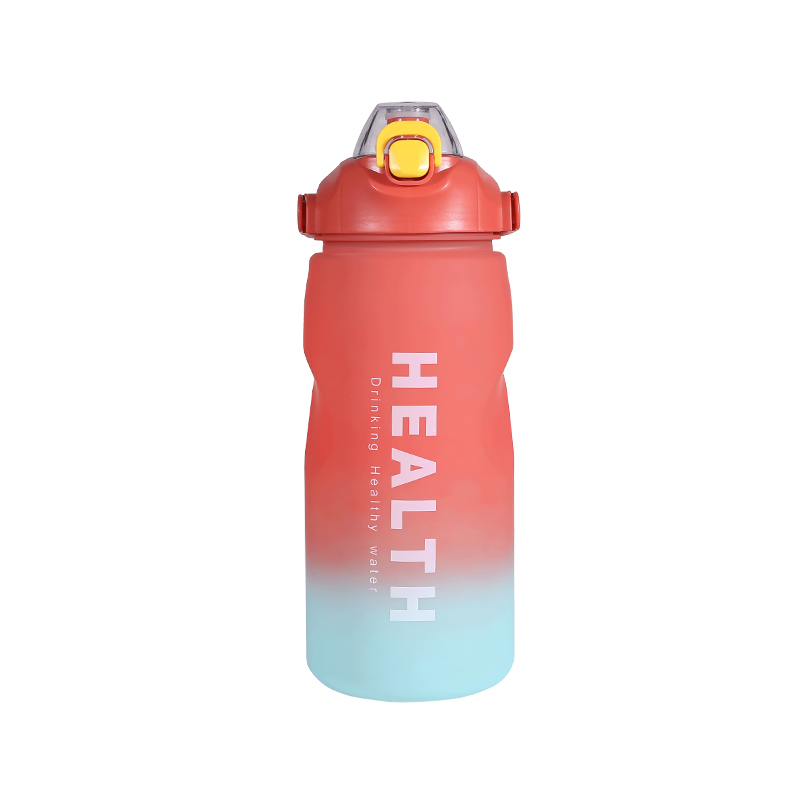
Materials Used in Lightweight Bottles
Lightweight plastic bottles are typically made from advanced polymers such as polyethylene terephthalate (PET) or high-density polyethylene (HDPE). These materials allow manufacturers to produce thinner walls without sacrificing overall rigidity. A high-quality Plastic Water Bottle Factory ensures that even bottles with reduced material thickness are reinforced in critical areas, such as the neck and base, to prevent cracking or deformation. The choice of material directly impacts how resistant the bottle is to impacts, drops, and prolonged use.
Engineering and Structural Considerations
Durability in lightweight bottles is achieved not only through material choice but also through intelligent engineering. Designers often incorporate ribbed patterns, ergonomic curves, and reinforced bottoms to increase strength without adding significant weight. While a thinner wall may seem fragile, the strategic use of geometry can distribute stress more evenly across the bottle, reducing the likelihood of breakage. In essence, a lightweight design does not automatically mean a fragile bottle; it requires careful engineering to maintain performance.
Practical Implications for Daily Use
From a consumer perspective, lightweight bottles are convenient for carrying in backpacks, gym bags, or during outdoor activities. They reduce fatigue during long trips and are often preferred by athletes and commuters. However, users must recognize that extremely lightweight bottles may be more prone to denting or minor cracks if subjected to rough handling. For example, throwing a thin-walled bottle into a sports bag with heavy equipment could slightly deform the bottle, though it may not result in immediate leaks. Durability is therefore linked to the intended use environment and how carefully the bottle is handled.
Longevity and Maintenance
Lightweight bottles generally require more attentive maintenance compared to thicker, heavier alternatives. Frequent exposure to high temperatures, UV light, or repeated drops can accelerate wear over time. Consumers should consider the trade-off between portability and longevity when selecting a bottle. Regular cleaning and avoiding extreme conditions can extend the life of lightweight bottles, demonstrating that proper use is just as important as the design itself.
The lightweight design of plastic water bottles can influence durability, but this effect is not inherently negative. With high-quality materials and intelligent structural design from a reputable Plastic Water Bottle Factory, lightweight bottles can be both portable and resilient. Users should be mindful of the limitations and care requirements of thinner designs to ensure longevity. Ultimately, advancements in material science and design allow manufacturers to produce bottles that meet modern consumer demands without significantly compromising strength or performance. Lightweight does not necessarily mean weak; it simply requires careful engineering and mindful use.
