
 English
 中文简体
中文简体 Español
Material selection has become an important part of reusable drinkware development, particularly as consumers pay closer attention to the materials used in products that come into regular contact with beverages. A Water Bottle With BPA Free positioning places this material consideration directly into the product concept, but developing such a bottle involves more than removing one material from the specification. Manufacturers also need to consider the plastic type, molding process, bottle structure, closure components, and intended application.
Material Selection Starts With Product Requirements
Different plastics can provide different combinations of transparency, flexibility, impact resistance, and processing characteristics. When developing a Water Bottle With BPA Free, manufacturers first need to establish the intended use of the bottle and then select materials that correspond with the required physical properties.
A lightweight bottle intended for everyday carrying may have different requirements from a thicker bottle designed for sports or outdoor use. This makes BPA free water bottles a broad product category rather than a single standardized construction.
Material selection can also influence the appearance and processing of the finished bottle. Transparency, surface finish, color, and wall thickness may all be affected by the selected resin and manufacturing process.
BPA-Free Is a Material Specification
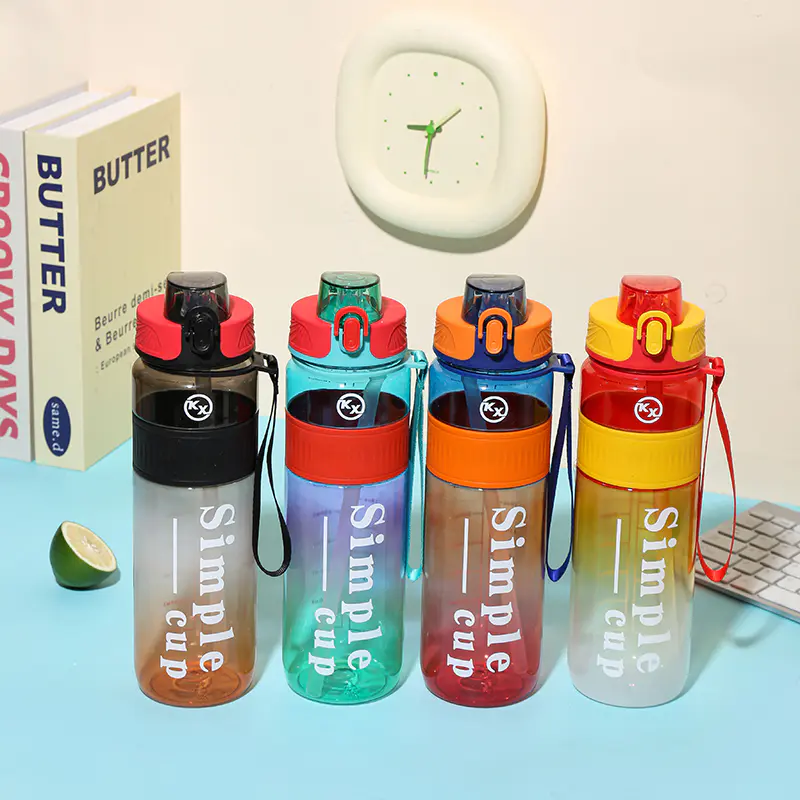
The term BPA-free relates specifically to the absence of bisphenol A in the relevant material or product specification. It should therefore be treated as one material consideration within the wider product-development process.
For a Water Bottle With BPA Free, manufacturers need to maintain consistency between the material specification and the components used throughout the product. The bottle body may use one material while the cap, sealing element, or other components use different materials.
This is particularly important for plastic drinkware manufacturing, where a finished bottle is usually an assembly rather than a single molded component.
Bottle Construction Affects Manufacturing
A water bottle's final structure depends heavily on the manufacturing process. Blow molding can be used to form hollow bottle bodies, while injection molding is commonly used for caps and other components. Different shapes and wall thicknesses can require different mold and processing considerations.
When producing a Water Bottle With BPA Free, manufacturers therefore need to evaluate how the selected material behaves during processing. Mold temperature, cooling, wall thickness, and product geometry can influence the consistency of the finished bottle.
For B2B buyers, this is one reason material information should be considered together with manufacturing capability. A material specification alone does not describe how consistently the finished product can be produced.
Caps and Seals Also Matter
The bottle body often receives most of the attention, but the closure system is another important component. Screw caps, flip lids, sports openings, and wide-mouth designs may use multiple materials and components.
For a Water Bottle With BPA Free, buyers may therefore need to understand the material composition of the complete product rather than focusing only on the bottle body. The sealing structure, cap, mouthpiece, and other components all form part of the finished drinking container.
This also affects product design. A cap that is easy to remove can simplify cleaning, while a more complex drinking mechanism may provide a different user experience. The appropriate configuration depends on the intended market and application.
Testing and Specification Need Clear Definitions
Material claims should be supported by clear product specifications and appropriate documentation for the intended market. Different markets can have their own requirements concerning food-contact materials and chemical substances, so manufacturers need to identify the applicable regulations before finalizing a product.
For a Water Bottle With BPA Free, this means product development should connect material selection with the relevant compliance requirements rather than treating a BPA-free statement as a standalone marketing phrase.
Clear specifications can also help B2B buyers compare products more effectively. Resin type, component materials, dimensions, capacity, manufacturing process, and applicable testing information provide a more complete picture than a single material claim.
Customization Still Depends on Material Choices
B2B water bottle programs often involve customization in areas such as color, capacity, shape, logo printing, surface treatment, and lid design. These changes can influence the material and manufacturing requirements.
For example, changing the bottle geometry may require a different mold configuration, while altering the cap structure can introduce additional components. A Water Bottle With BPA Free specification therefore needs to remain connected with the complete product design throughout customization.
For manufacturers involved in plastic drinkware manufacturing, this relationship between materials and customization is important because changes made late in development can affect tooling, processing parameters, and component compatibility.
The development of the Water Bottle With BPA Free is ultimately part of a broader movement toward more clearly specified drinkware materials. BPA-free requirements can guide material selection, but the finished product still depends on bottle geometry, processing, closures, testing, and intended use. For B2B buyers, examining these factors together provides a clearer understanding of how a BPA free water bottle is developed and manufactured rather than treating the material claim as the only specification that matters.
