
 English
 中文简体
中文简体 Español
Retail buyers stocking children's drinkware have noticed a pattern over recent ordering cycles: a water bottle with animals on it now outsells plain solid-color equivalents in the same size and material category by a meaningful margin in school and gift-focused retail channels, a shift that has less to do with functional preference and more to do with how children's retail purchasing decisions actually get made.
Pattern Variety Drives Repeat Purchase More Than Single-Design Runs
A single dominant animal print rarely sustains sell-through across a full retail season the way a rotating series does, since children's product preferences shift faster than adult drinkware trends and a single pattern saturates its appeal within one buying cycle. Retailers stocking a water bottle with animals on it across a series of six to ten rotating designs — rather than committing shelf space to one or two patterns — report more consistent sell-through across a season, since the variety supports repeat purchases from the same household as children's preferences shift between siblings or across ages.
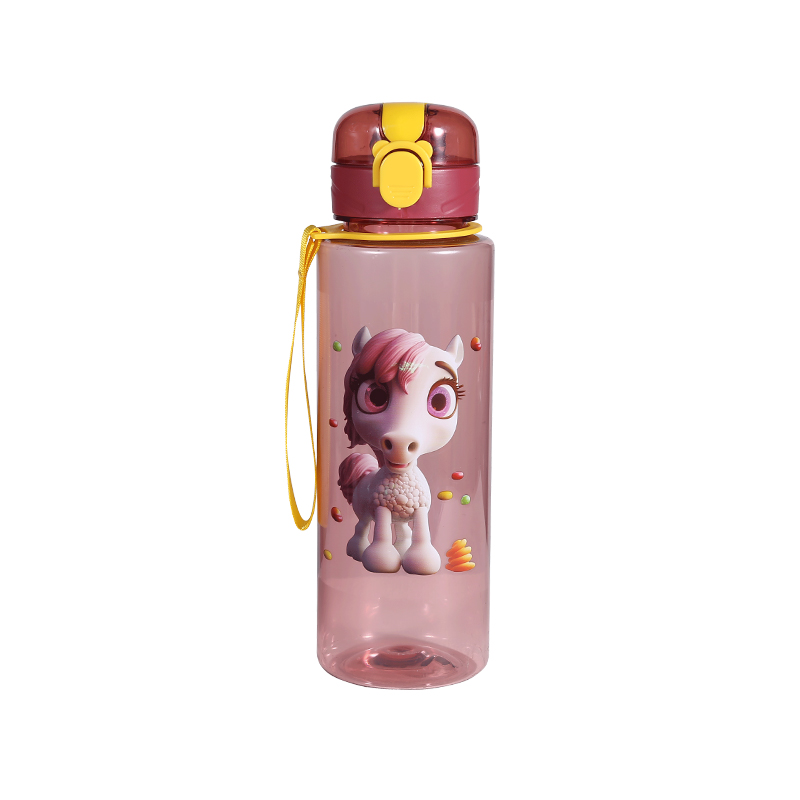
Gradient Printing Adds Production Complexity That Solid Prints Avoid
The gradient effect behind many animal-pattern bottles requires more precise color transition control during the printing or in-mold decoration process than a flat single-color print, and inconsistent gradient transitions between production batches are a more frequently reported quality issue in this category than defects in the animal print itself. Manufacturers running dedicated shade-matching checkpoints for gradient pattern printing — comparing each batch against a reference standard rather than relying on the same visual check used for solid-color runs — catch this inconsistency before it reaches a buyer's incoming inspection.
|
Consideration |
Solid Color Bottle |
Animal Series Gradient Bottle |
|
Production complexity |
Lower |
Higher, requires shade-matching QC |
|
Typical retail sell-through pattern |
Steady, less seasonal variation |
Faster within a season, benefits from design rotation |
|
Common quality risk |
Surface scratching |
Gradient shade inconsistency between batches |
|
Buyer restocking cadence |
Predictable |
Faster-moving, needs pattern refresh planning |
Capacity Sizing for This Category Skews Toward a Specific Range
A 20 oz plastic water bottle size has become a common reference point in the kids' and school-age drinkware category specifically, since it balances enough capacity for a school day without becoming too heavy or bulky for a child to carry comfortably. Buyers sourcing across multiple capacity variants for this category should recognize that the 20 oz range sees the most consistent reorder volume, while both smaller and larger variants tend to serve narrower, more specific use cases like younger children or extended outdoor activities.
BPA-Free Documentation Matters More in This Category Than Adult Drinkware
Parents and school procurement buyers scrutinize material safety documentation for children's products more closely than they do for general adult drinkware, which means a non-BPA plastic water bottle claim needs supporting certification readily available rather than stated only as a general marketing claim. Retailers stocking this category should confirm that certification documentation is available at the SKU level and covers both the bottle body and any gasket or seal components, since school procurement buyers in particular often request this documentation directly before placing bulk orders.
Wholesale Buyers Are Consolidating Pattern Series Orders With Single Suppliers
Retailers that previously sourced solid-color bottles from one supplier and pattern-printed variants from a separate specialist are increasingly consolidating both categories with a single kids water bottle wholesale supplier capable of handling gradient printing, standard printing, and solid-color runs from the same base mold. This consolidation reduces the number of vendor relationships a buyer needs to manage across a product line, though it requires confirming that the consolidated supplier maintains the same quality-control rigor across both simpler solid-color runs and more complex gradient pattern work, since the two production types carry different failure risks that a single quality standard may not address equally well.
