
 English
 中文简体
中文简体 Español
A leak-proof plastic water bottle factory earns repeat wholesale orders on one metric that rarely shows up on a spec sheet: how consistently its sealing components perform across a full production run, not just on the sample unit a buyer approved before placing the order.
Does the Factory Test Seals Under Real Transit Conditions?
Static leak testing — filling a bottle upright and checking for drips over a few minutes — catches obvious defects but misses the slow leaks that develop when a bottle is packed sideways in a shipping carton or carried at an angle in a backpack. A leak proof plastic water bottle factory running pressure and inversion testing across multiple orientations, rather than upright testing alone, identifies seal weaknesses that a buyer's incoming inspection based only on visual checks would likely miss. Buyers should ask specifically what orientations and pressure conditions a factory's leak testing protocol covers before assuming a passed test reflects real shipping and daily-use conditions.
Is the Screw Top Threading Consistent Across Cavities?
Bottles produced from a multi-cavity mold can show subtle threading inconsistency between cavities even when every unit passes a basic close-and-check test, and this inconsistency becomes visible only when caps from different cavities are mixed during assembly. A screw top leak-proof seal depends on threading tolerance holding steady across every cavity in the mold, not just the cavity used for the approval sample, and buyers ordering large volumes should ask whether the factory tracks cavity-level quality data or treats the mold as a single uniform source.
|
Vetting Question |
Signal of a Reliable Factory |
|
Leak testing method |
Multi-orientation, pressure-tested, not just upright static check |
|
Cavity-level QC tracking |
Data recorded per cavity, not treated as one uniform source |
|
Certification documentation |
Specific to resin and gasket materials, matched to import market |
|
Material sourcing |
Virgin-grade BPA-free resin, documented by batch |
Does BPA-Free Certification Cover the Gasket, Not Just the Bottle Body?
A BPA-free plastic water bottle claim often applies to the main body resin but does not automatically extend to the silicone or rubber gasket used in the cap assembly, since these components are frequently molded from different material batches or sourced from different sub-suppliers. Buyers importing into regulated markets should request certification documentation that explicitly names the gasket material alongside the bottle body resin, since a compliance gap in the smaller sealing component is a common source of import delays discovered only after production has already been completed.
How Does the Factory Handle Custom Mold Development for New Cap Designs?
Buyers requesting a new cap geometry — rather than reusing an existing mold with color or branding changes — should ask how the factory sequences tooling development between the cap and the body threading, since a mismatch between these two components is the most common cause of first-article rejection in custom projects. A custom water bottle mold program that develops cap and body tooling together, testing the assembled seal before finalizing either component independently, catches fitment issues earlier than a sequential process where the body ships for approval before cap tooling is finalized.
What Quality Control Checkpoints Exist Beyond Final Inspection?
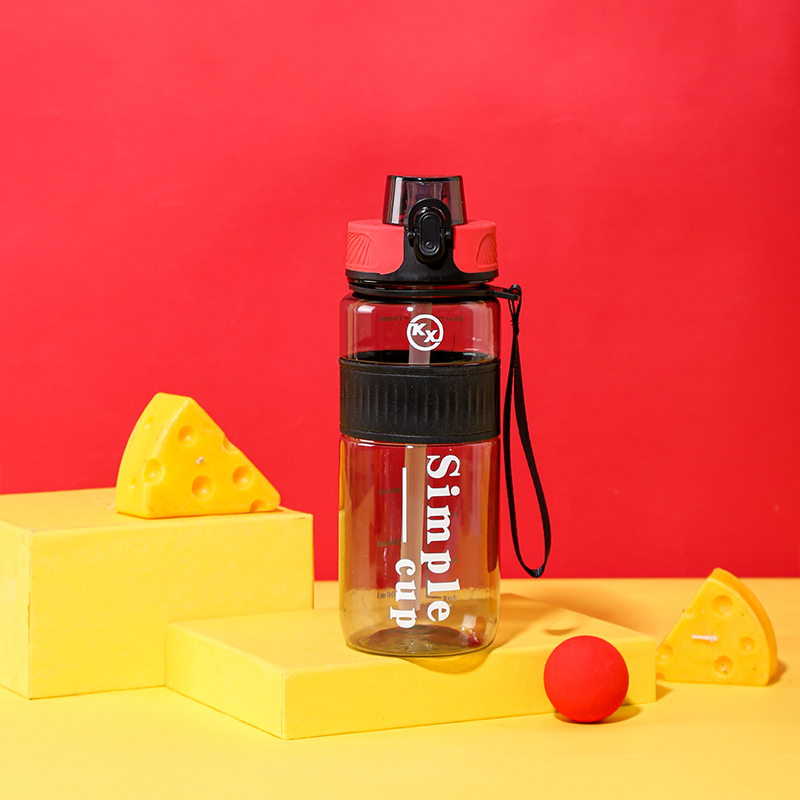
A single inspection at the end of production catches finished defects but does not reveal where in the process those defects originated, which matters for buyers trying to prevent repeat issues on reorders. OEM bottle factory quality control programs that check resin consistency at the material intake stage, monitor mold temperature during cavity filling, and inspect threading dimensions mid-run — rather than relying solely on a final random sample — typically show lower defect recurrence across repeat orders, since problems get caught and corrected at the process stage rather than discovered only in finished goods.
Can the Factory Document Resin Batch Consistency Across a Reorder?
Reorders placed months after an initial run sometimes arrive with a slightly different bottle feel or seal performance, even when the factory used the "same" resin specification both times, because resin batches from different production runs can vary subtly in composition. A factory that documents resin batch numbers against each production order gives buyers a way to trace a quality shift back to a specific material batch rather than guessing at the cause, and this traceability becomes especially valuable when a buyer needs to explain a quality variance to their own downstream customers.
Does the Factory's Location Reflect Established Tooling Expertise?
Taizhou's Huangyan district has built a multi-decade reputation as a center for plastics mold-making in China, and factories operating within this cluster typically have easier access to specialized tooling repair and mold-modification services than facilities located outside established plastics manufacturing regions. Buyers evaluating a leak proof plastic water bottle factory for long-term sourcing should consider whether the facility's location gives it practical access to this kind of tooling support infrastructure, since mold maintenance turnaround time directly affects how quickly a factory can resolve a sealing defect once one is identified in production.
